Pokémon TCG Guides
All Pokémon TCG Sets Explained: A Collector’s Guide

Aug
Pokémon sets are easiest to understand when they are organized by language, era, main expansions, special sets and promotional releases.
There is no single short list that describes all Pokémon sets across every language. The clearest method is to organize the Pokémon TCG by language, series or era, main expansions, special sets and promotional releases, then verify the exact expansion in an up-to-date set database. This guide answers all Pokémon sets with practical checks, current-source context and clear distinctions between product facts and collector assumptions.
All Pokémon sets: quick answer
When people ask all Pokémon sets, the safest answer begins with the exact card, product, language or rule set being discussed. Pokémon TCG layouts and products change across eras, so confirm printed details and current official information before applying a general rule.
What this guide covers
- Start with language
- Understand series and eras
- Main expansions
- Special expansions
- Promotional cards and mini-sets
- Reprints and parallel printings
- Build a useful personal set list
1. Start with language
English and Japanese releases do not always have one-to-one names, card lists or release dates. Choose the language first so that set numbering and product names are interpreted correctly.
2. Understand series and eras
Expansions are grouped into broad series that reflect a period of the game. These era labels make a long timeline easier to navigate without suggesting that every set uses the same card design or rules.
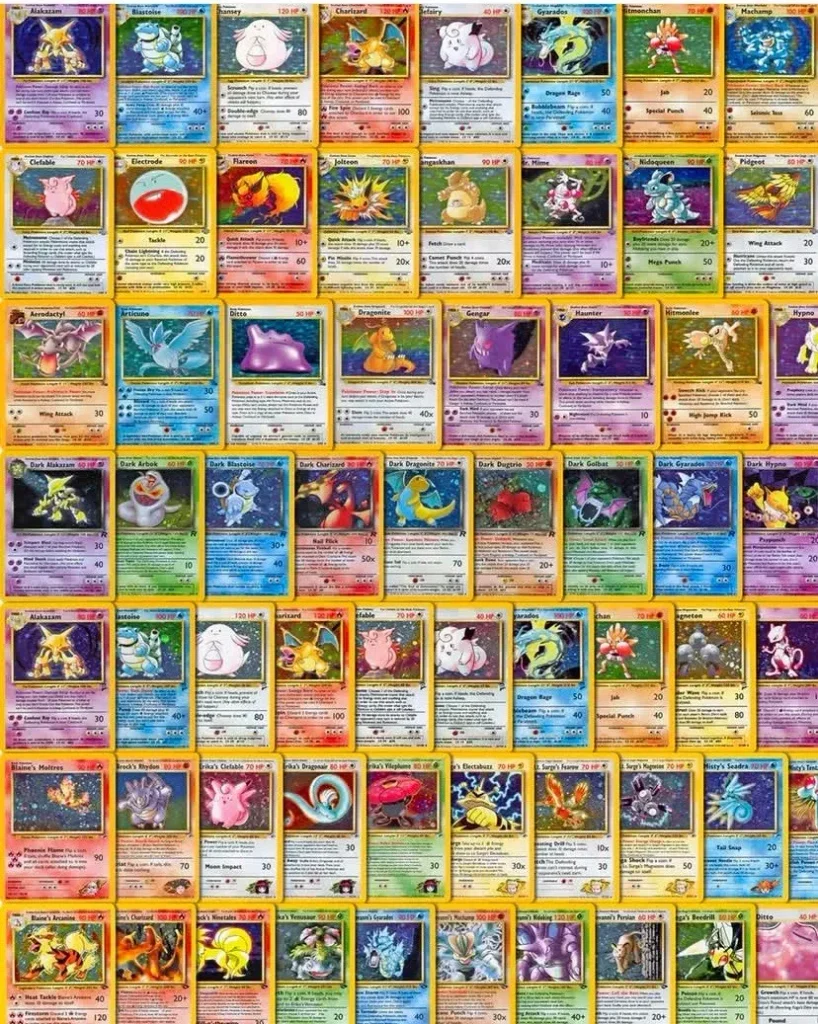
3. Main expansions
Main expansions usually support the regular booster product line for their era. Their symbols, abbreviations and collector numbers help identify individual cards.
4. Special expansions
Special sets can use different distribution methods and may not have a traditional booster display. They can still be full expansions even when packs appear mainly in boxes or Elite Trainer Boxes.
5. Promotional cards and mini-sets
Promos, tournament releases and product-exclusive cards may sit outside a normal numbered expansion. Record the promo series and card number rather than forcing the card into the nearest main set.
This is another reason to answer all Pokémon sets with evidence instead of relying on one photo, one remembered rule or one unusually priced listing.
6. Reprints and parallel printings
A familiar card can appear again with new artwork, a stamp, a different finish or updated set information. Treat the printed identifiers as a group when cataloging it.
7. Build a useful personal set list
Track language, set name, abbreviation, release era and card number. A small structured checklist is more reliable than sorting only by artwork or character.
How to apply this information
Begin with one real example and write down the identifiers that matter for all Pokémon sets: product name, language, expansion or era, collector number when relevant, condition and the date you checked the information. That small record prevents details from different products or printings from being mixed together.
Next, compare the example with a current official rule, support page or set list. If a community reference is used, follow its citations and note any uncertainty. Avoid treating a social-media caption, an unsold marketplace listing or a cropped photograph as complete evidence.
Finally, explain the conclusion in plain language and keep the qualifying detail beside it. A useful answer to all Pokémon sets tells the reader what is generally true, what can vary, and which printed or official source will settle the question for a specific card or sealed product.
Useful internal resources
Frequently asked questions
The questions below give short, direct answers for readers who want to understand all Pokémon sets without losing the important context.
How many Pokémon TCG sets are there?
The total changes as new expansions and promotional series are released, and it depends on which languages and product types are counted.
Are Japanese and English sets identical?
No. International expansions can combine, rearrange or omit cards from Japanese releases.
Where should a beginner start?
Choose one language and one recent era, then use a current expansion list to build a manageable checklist.
Sources and further reading
Final checklist
Use the exact printed product or card details, check the relevant language and era, compare more than one reliable source, and document your conclusion. Following that routine makes the answer to all Pokémon sets clearer, safer and easier to update when new products or records appear.
