Pokémon TCG Guides
Pokémon Card Types Explained: Cards, Rarities and Roles

Aug
Pokémon card types is the central topic of this guide, with clear facts, practical checks and reliable sources for collectors and players.
The three fundamental gameplay categories are Pokémon cards, Trainer cards and Energy cards. Within those groups are evolution stages, Trainer subtypes, Basic and Special Energy, and special mechanics printed on individual cards; rarity is a separate collecting characteristic. This guide answers Pokémon card types with practical checks, current-source context and clear distinctions between product facts and collector assumptions.
Pokémon card types: quick guide
When people ask Pokémon card types, the safest answer begins with the exact card, product, language or rule set being discussed. Pokémon TCG layouts and products change across eras, so confirm printed details and current official information before applying a general rule.
What this guide covers
- Pokémon cards
- Basic Pokémon
- Evolution Pokémon
- Trainer cards
- Energy cards
- Pokémon types
- Special mechanics and rule boxes
- Rarity is not a gameplay card type
1. Pokémon cards
Pokémon cards enter play to attack, use Abilities and take damage. Their printed stage, HP, type, attacks, Weakness, Resistance and Retreat Cost define their basic role.
2. Basic Pokémon
Basic Pokémon can generally be played directly from the hand to begin an evolution line or support a strategy. A legal deck must include at least one.
3. Evolution Pokémon
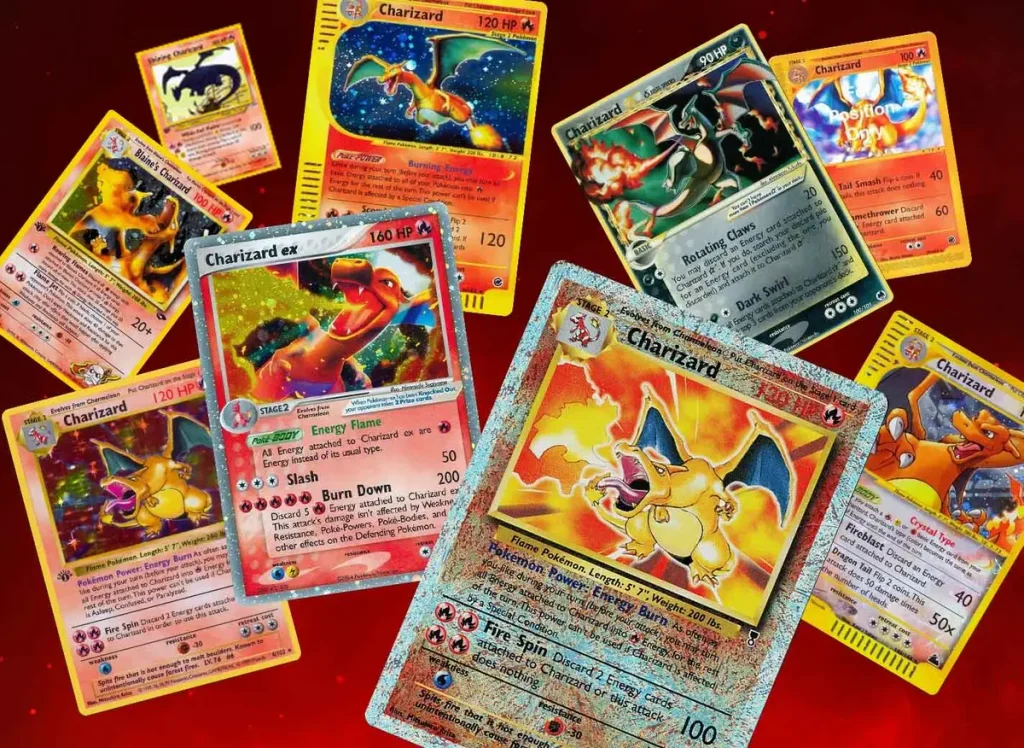
Stage 1 and Stage 2 cards normally evolve earlier stages. Read special evolution text because some mechanics change the usual path.
4. Trainer cards
Trainer cards create effects such as drawing, searching, switching or healing. Item, Supporter, Stadium and other labels determine how they may be played.
5. Energy cards
Energy pays attack and retreat costs. Basic Energy and Special Energy follow different deck-building rules and printed effects.
This is another reason to answer Pokémon card types with evidence instead of relying on one photo, one remembered rule or one unusually priced listing.
6. Pokémon types
The symbol near HP identifies the card’s type. Type influences attack costs and interactions, but a character can appear under different types on different cards.
7. Special mechanics and rule boxes
Mechanics such as named special Pokémon categories use printed rule boxes. Read the current card and rules rather than relying on an older mechanic with a similar appearance.
8. Rarity is not a gameplay card type
Common, uncommon, rare and special rarity labels describe distribution or collecting categories. They do not replace the card’s gameplay category.
How to apply this information
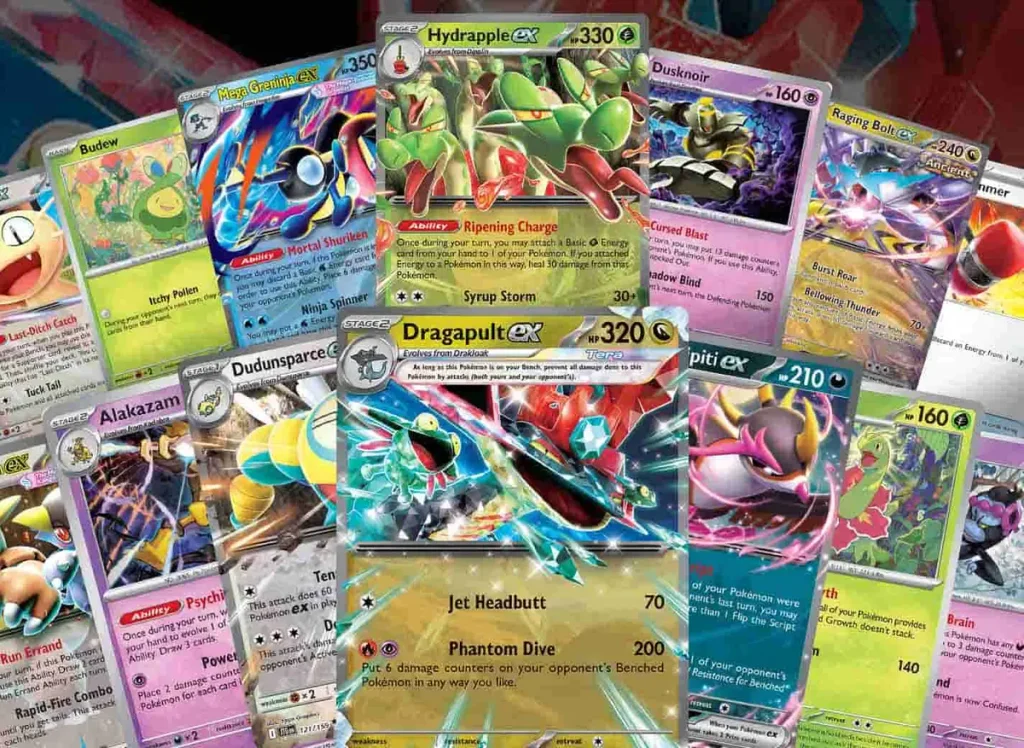
Begin with one real example and write down the identifiers that matter for Pokémon card types: product name, language, expansion or era, collector number when relevant, condition and the date you checked the information. That small record prevents details from different products or printings from being mixed together.
Next, compare the example with a current official rule, support page or set list. If a community reference is used, follow its citations and note any uncertainty. Avoid treating a social-media caption, an unsold marketplace listing or a cropped photograph as complete evidence.
Finally, explain the conclusion in plain language and keep the qualifying detail beside it. A useful answer to Pokémon card types tells the reader what is generally true, what can vary, and which printed or official source will settle the question for a specific card or sealed product.
Useful internal resources
Frequently asked questions
The questions below give short, direct answers for readers who want to understand Pokémon card types without losing the important context.
What are the three main Pokémon card types?
Pokémon, Trainer and Energy.
Is rarity a Pokémon card type?
Not in the same sense; rarity is a collecting and distribution label.
Can the same Pokémon have different types?
Yes. Different cards of the same character can use different types or mechanics.
Sources and further reading
Final checklist
Use the exact printed product or card details, check the relevant language and era, compare more than one reliable source, and document your conclusion. Following that routine makes the answer to Pokémon card types clearer, safer and easier to update when new products or records appear.
Use Pokémon card types as a starting point, then confirm current facts with the linked official or educational sources.
